Whole30 Meal Plan Week 1: A Comprehensive Guide
Embark on a transformative journey with a structured plan, accessing downloadable resources and recipes for a successful first week, focusing on compliant foods.
Understanding the Whole30 Program
The Whole30 is a 30-day nutritional reset designed to eliminate potentially problematic food groups, aiming to heal the digestive system and identify food sensitivities. It’s not a weight-loss program, though weight loss is often a side effect. The core principle involves temporarily removing foods that commonly cause inflammation, digestive distress, or hormonal imbalances.
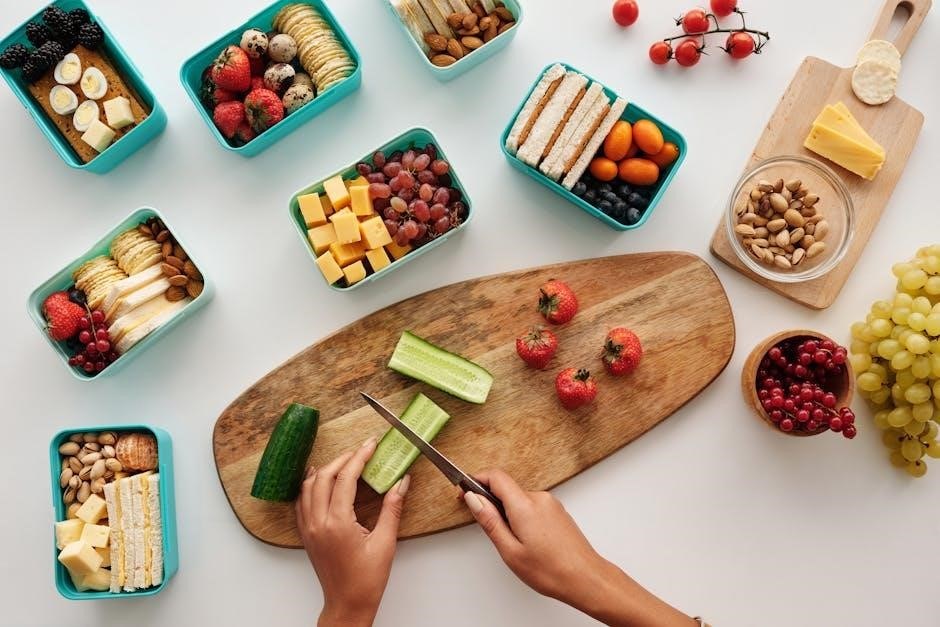
This elimination period allows your body to recalibrate and experience how it functions without these influences. Following the 30 days, a carefully planned reintroduction phase helps pinpoint specific foods that may be causing issues. Success hinges on strict adherence to the guidelines, focusing on whole, unprocessed foods. It’s about changing habits and building a healthier relationship with food, not just restriction.

What is Allowed on Whole30?
The Whole30 emphasizes real, whole foods. You can enjoy meats, seafood, and eggs, prioritizing quality sourcing like Iowa-raised animals when possible. Vegetables are a cornerstone, alongside fruits in moderation. Healthy fats from sources like avocados, olives, and coconut oil are encouraged.
Furthermore, compliant seasonings and herbs add flavor without compromising the program. Think fresh ingredients, similar to those used in quality pizza toppings! Bone broth is a welcome addition for gut health. Focus on nutrient-dense options, building meals around protein and vegetables. Remember, it’s about abundance – enjoying what is allowed, rather than dwelling on restrictions.
Foods to Avoid During Whole30
Strict adherence to the “no” list is crucial. Absolutely avoid all added sugar, including natural sweeteners like maple syrup or honey. All grains – wheat, rice, corn, oats – are off-limits, as are legumes like beans and lentils. Dairy, even in small amounts, is prohibited.
Processed foods and additives are also excluded, mirroring a focus on fresh, whole ingredients. This means saying no to conventional pizza dough and processed meats. Alcohol is a definite no-go, as are baked goods and treats. Recreating favorites, like a pizza, requires compliant alternatives. The goal is to reset your relationship with food, eliminating potentially problematic ingredients.

Week 1 Meal Plan Overview
This initial week prioritizes simple, compliant meals to establish healthy habits, reduce cravings, and familiarize yourself with Whole30-approved ingredients and recipes.
Key Goals for Week 1
The primary focus for your first week on Whole30 is establishing a solid foundation for success. This means diligently adhering to the program’s guidelines and understanding how your body responds to the elimination of certain food groups. Expect initial challenges like cravings and potential “detox” symptoms – these are normal!
Aim to master basic meal preparation techniques and become comfortable with compliant ingredients. Prioritize consistent, nourishing meals and snacks throughout the day to maintain energy levels and minimize temptation. Focus on discovering new flavors and enjoying the abundance of Whole30-approved foods.
Ultimately, Week 1 is about resetting your relationship with food and laying the groundwork for long-term healthy habits. It’s a learning experience, so be patient with yourself and celebrate small victories!
Grocery Shopping List for Week 1
Produce: Stock up on leafy greens (spinach, kale), colorful vegetables (broccoli, peppers, onions), sweet potatoes, avocados, and fruits like berries and apples. Proteins: Prioritize grass-fed beef, poultry, wild-caught fish, and eggs. Fats: Include avocados, olive oil, coconut oil, and nuts (almonds, walnuts – check for compliant varieties).
Pantry: Essential items are canned tomatoes, coconut aminos, spices (garlic powder, paprika, cumin), and compliant broth. Don’t forget herbs for flavor! Ensure all condiments are Whole30 approved – read labels carefully.
Optional: Consider adding compliant fruit leather for snacks or pre-cut vegetables for convenience. Thoroughly review your meal plan before shopping to avoid impulse purchases of non-compliant items.
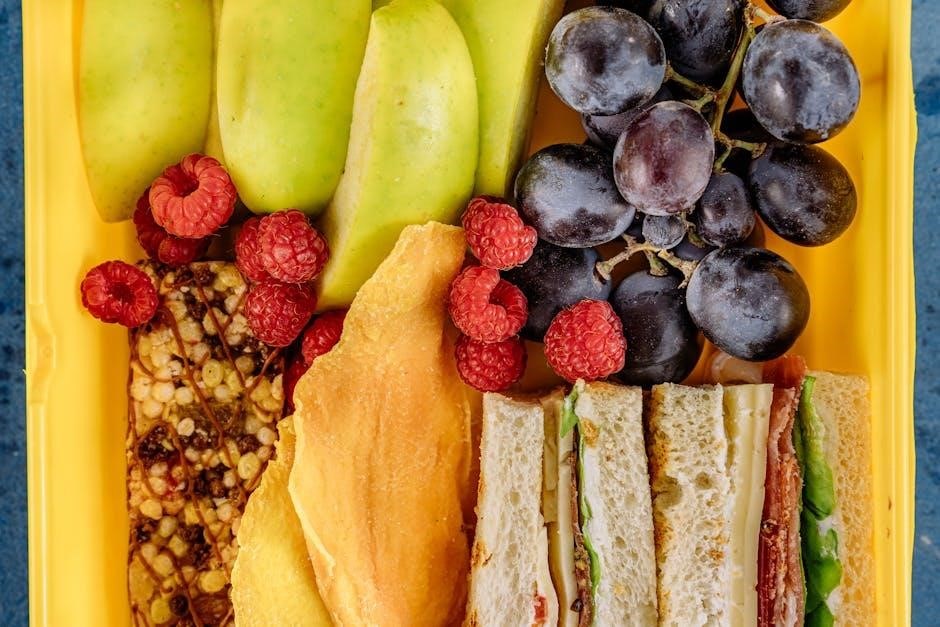
Daily Meal Breakdown ─ Week 1
Discover a detailed, day-by-day guide with breakfast, lunch, and dinner suggestions, ensuring a compliant and delicious experience throughout your initial Whole30 week.
Monday: Kickstarting Your Week
Begin your Whole30 journey with intention! Monday focuses on establishing a solid foundation with nourishing, compliant meals. Prioritize protein, healthy fats, and plenty of vegetables to minimize cravings and maximize energy. This day is about familiarizing yourself with approved ingredients and simple cooking methods. Don’t overcomplicate things – focus on whole, unprocessed foods.
Remember, the first few days can be the most challenging, so preparation is key. Having pre-chopped veggies and cooked protein on hand will make meal assembly much easier. Embrace the challenge and celebrate small victories. Monday sets the tone for a successful week, so start strong and stay committed to your goals!
Breakfast Ideas for Monday
Start your Monday with a protein-packed breakfast to fuel your day! Consider a veggie-filled omelet cooked in coconut oil, using spinach, mushrooms, and bell peppers. Alternatively, a sweet potato hash with sausage (ensure it’s Whole30 compliant – no sugar!) and a fried egg provides sustained energy. For a quicker option, try a smoothie made with compliant protein powder, spinach, almond milk, and berries.
Remember to avoid dairy, grains, and added sugars. Focus on whole, unprocessed foods to kickstart your metabolism and set a positive tone for the week. A satisfying breakfast will help curb cravings later in the day and keep you focused on your Whole30 goals.
Lunch Options for Monday
For a fulfilling Monday lunch, a large salad with grilled chicken or salmon is an excellent choice. Load it up with mixed greens, avocado, cucumbers, tomatoes, and a homemade vinaigrette dressing (olive oil, lemon juice, and herbs). Another option is leftover dinner – a great way to simplify meal prep! Consider a hearty tuna salad (made with compliant mayonnaise) served over lettuce wraps instead of bread.
Prioritize protein and healthy fats to keep you satiated throughout the afternoon. Avoid processed lunch meats and sugary dressings. Planning ahead and packing your lunch ensures you stay on track with your Whole30 commitment, even during a busy workday.
Dinner Recipes for Monday
Kickstart your week with a flavorful Sheet Pan Lemon Herb Chicken and Roasted Vegetables. Toss chicken thighs and your favorite compliant veggies (broccoli, bell peppers, onions) with olive oil, lemon juice, and herbs, then roast until cooked through. Alternatively, try a Ground Beef and Sweet Potato Skillet – a quick and easy one-pan meal packed with nutrients.
For a more elaborate option, consider Salmon with Roasted Asparagus and a side of cauliflower rice. Remember to check all ingredient labels to ensure compliance with Whole30 guidelines. Focus on simple recipes with fresh, whole ingredients for a delicious and satisfying Monday dinner.
Tuesday: Maintaining Momentum
Building on Monday’s success, Tuesday focuses on reinforcing healthy habits. Continue prioritizing compliant foods and mindful eating. Don’t let early progress lull you into complacency; stay committed to the program’s principles. Focus on preparing meals in advance to avoid impulsive, non-compliant choices when time is limited.
Remember, the first week is often the most challenging as your body adjusts. Embrace the discomfort and celebrate small victories. Hydration remains crucial, and incorporating healthy fats will help keep you feeling satiated throughout the day. Consistency is key to maintaining momentum!
Tuesday Breakfast Suggestions
Start your Tuesday with energy-boosting, Whole30-approved options. Consider a hearty veggie scramble with spinach, mushrooms, and bell peppers cooked in coconut oil. Alternatively, a sweet potato hash with compliant sausage provides sustained fuel. For a quicker option, a compliant protein shake with almond milk and berries is ideal.
Eggs are a versatile staple; try poaching them and serving with avocado slices. Remember to check ingredient labels carefully to ensure everything aligns with Whole30 guidelines. Prioritize protein and healthy fats to keep hunger at bay until lunchtime, setting a positive tone for the day.
Tuesday Lunch Ideas
Fuel your afternoon with satisfying and compliant Whole30 lunches. A large salad with grilled chicken or salmon, mixed greens, and a homemade vinaigrette is a fantastic choice. Leftovers from Tuesday’s dinner also make a convenient and healthy option. Consider a tuna salad (made with compliant mayo) served over lettuce wraps for a lighter meal.
Another idea is a hearty vegetable soup packed with nutrients. Ensure all ingredients are Whole30 approved, avoiding any added sugars or non-compliant additives. Prioritize protein and healthy fats to maintain energy levels and prevent cravings throughout the afternoon.
Tuesday Dinner Recipes
Elevate your Tuesday evening with a flavorful and compliant Whole30 dinner. Sheet Pan Lemon Herb Chicken and Roasted Vegetables is a simple yet satisfying option, requiring minimal cleanup. Alternatively, try a Ground Turkey and Sweet Potato Skillet, seasoned with warming spices for a comforting meal.
For a more adventurous dish, consider Salmon with Roasted Asparagus and a side of cauliflower rice. Remember to check all ingredient labels to ensure compliance with the Whole30 guidelines. Focus on fresh, whole foods and avoid processed ingredients to maximize nutritional benefits and support your program goals.
Wednesday: Mid-Week Reset
Hump day calls for a nourishing reset! By Wednesday, you might be feeling the initial adjustments of Whole30. Focus on simple, satisfying meals to stay on track. Prioritize protein and healthy fats to combat cravings and maintain energy levels throughout the day. Don’t underestimate the power of a well-planned meal to boost motivation.
Remember to review your grocery list and prep ingredients for the remainder of the week. Staying organized will significantly reduce stress and increase your chances of success. Hydration is also key – continue to drink plenty of water to support your body’s detoxification process.
Wednesday Breakfast Options
Start your Wednesday with a flavorful and compliant breakfast! Consider a hearty egg scramble with spinach, mushrooms, and a side of compliant breakfast sausage. Alternatively, a sweet potato hash with diced chicken or turkey offers sustained energy. For a quicker option, a smoothie made with compliant protein powder, almond milk, and berries is a great choice.
Don’t forget to check ingredient labels carefully to ensure everything aligns with Whole30 guidelines. Pre-chopping vegetables the night before can streamline your morning routine. A satisfying breakfast sets a positive tone for the day, helping you resist unhealthy cravings.
Wednesday Lunch Suggestions
For a mid-week boost, enjoy a large salad with grilled chicken or salmon, avocado, and a homemade vinaigrette dressing. Leftovers from Tuesday’s dinner also make an excellent and convenient lunch option, saving you time and effort. Alternatively, a tuna salad (made with compliant mayonnaise) served over lettuce wraps provides a protein-packed meal.

Remember to avoid any added sugars or non-compliant ingredients in your dressings or mayonnaise. Preparing a larger dinner portion intentionally allows for easy lunch leftovers. Staying hydrated with water throughout the afternoon is crucial for maintaining energy levels.
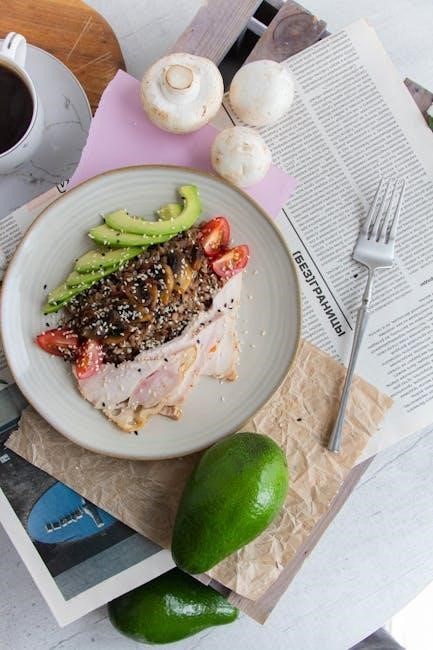
Wednesday Dinner Recipes
Consider a Sheet Pan Lemon Herb Chicken and Vegetables for a simple, flavorful meal. Toss chicken thighs and your favorite compliant vegetables (broccoli, bell peppers, onions) with olive oil, lemon juice, and herbs before roasting. Another option is a hearty beef and vegetable stir-fry using coconut aminos instead of soy sauce.
For a comforting dish, try a spaghetti squash “pasta” with a ground turkey marinara sauce – ensure the sauce is Whole30 compliant, free of added sugar. Remember to check all ingredient labels carefully. Preparing extra sauce allows for leftovers!

Tips for Success in Week 1
Prioritize planning, preparation, and hydration to navigate cravings and stay committed to the program’s guidelines during this initial, challenging phase.
Dealing with Cravings
Cravings are a completely normal part of the Whole30 process, especially during the first week as your body adjusts to eliminating added sugars, grains, and processed foods. Recognize that these urges are often psychological, stemming from habit or emotional connections to certain foods, rather than true physical hunger.
Distraction is a powerful tool – engage in activities you enjoy to shift your focus. Ensure you’re eating enough compliant, satisfying meals to prevent extreme hunger. Focus on protein and healthy fats for sustained energy.
Remember why you started Whole30 and visualize your health goals. If cravings become overwhelming, review the program rules and remind yourself that 30 days is a short-term commitment for long-term benefits.
Staying Hydrated
Adequate hydration is crucial during Whole30, particularly in week one, as your body eliminates processed foods and adjusts to a new way of eating. Water helps flush out toxins, supports digestion, and can even help curb cravings by creating a feeling of fullness. Aim to drink at least half your body weight in ounces of water daily.
Beyond plain water, incorporate herbal teas and sparkling water (ensure it’s unsweetened) to add variety. Be mindful of electrolyte balance, especially if you’re active, as eliminating processed foods can also reduce sodium intake.
Carry a reusable water bottle as a constant reminder to sip throughout the day, and drink a glass of water before each meal.
Meal Prep Strategies for Week 1
Successful Whole30 week one hinges on preparation! Dedicate a few hours to prepping ingredients – chopping vegetables, cooking proteins (like roasted chicken or ground beef), and making compliant sauces. Batch cooking is your friend; prepare large quantities of versatile components to mix and match throughout the week.
Pre-portion snacks like nuts or fruit to avoid impulsive choices. Utilize containers for easy grab-and-go lunches. Consider making a large soup or stew that can be reheated for multiple meals.
Don’t underestimate the power of pre-cooked breakfast components, like sweet potato hash or egg muffins, to streamline your mornings.

Resources and Support
Connect with the Whole30 community for guidance, recipes, and encouragement, utilizing official resources and forums to navigate your journey effectively.
Whole30 Official Website

The Whole30 official website (whole30.com) serves as the central hub for all program-related information, offering a wealth of resources to support your success. You’ll find detailed guidelines explaining the rules, a comprehensive FAQ section addressing common concerns, and a searchable database of compliant products.
Crucially, the website provides access to numerous free recipes, including options suitable for Week 1, and downloadable resources like a quick start guide. Explore success stories for motivation, and consider purchasing the Whole30 cookbook for expanded meal ideas. The site also features a blog with articles covering various aspects of the program, from meal prepping to navigating social situations. It’s an invaluable tool for understanding and implementing the Whole30 principles effectively.
Whole30 Community Forums
The Whole30 Community Forums (found through the official website) provide a supportive and interactive platform for participants to connect, share experiences, and seek advice. This is an excellent resource, particularly during your first week, as you navigate challenges and discover new strategies.
Engage with fellow Whole30ers to find inspiration, troubleshoot recipe modifications, and gain encouragement when cravings arise. Many users share their Week 1 meal plans and grocery lists, offering practical ideas. You can also find answers to specific questions about compliant ingredients or substitutions. The forums foster a sense of camaraderie and accountability, making the program feel less daunting and more achievable.