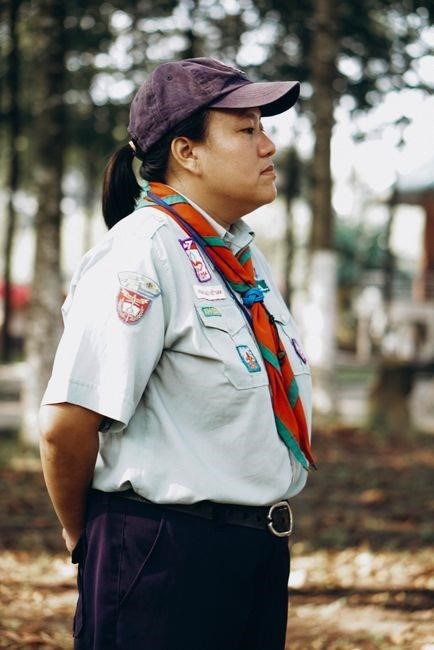
Pathfinder uniforms embody tradition and unity‚ guiding members through ceremonies‚ training‚ and community service. Each piece reflects core values‚ fostering pride and cohesion while meeting safety and functional standards across all age groups.
Uniforms foster teamwork‚ discipline‚ and respectnow.
Historical Evolution of the Uniform
From its inception in the early 20th century‚ the Pathfinder uniform has mirrored the movement’s growth and changing societal norms. Initially modeled after military attire‚ early jackets were simple dark green with brass buttons‚ reflecting the era’s emphasis on discipline and outdoor readiness. As the organization expanded‚ the 1930s introduced a more streamlined cut‚ with a single breast pocket and a removable neckerchief‚ allowing members to adapt to varied climates. Post‑World War II‚ the uniform adopted a lighter‚ breathable fabric‚ acknowledging increased emphasis on health and safety during field activities. The 1960s brought subtle color shifts—adding a muted olive hue to the jacket lining—while retaining the traditional green outer shell. The 1980s marked a significant shift toward inclusivity; skirts and alternative trousers were officially sanctioned‚ ensuring comfort for all genders. By the 2000s‚ the design incorporated modern‚ moisture‑wicking materials‚ and a new insignia system was introduced‚ enabling clear rank identification. The latest 2016 standards further refined the silhouette‚ adding a removable vest for colder environments and standardizing the placement of service stars and badges. Today‚ the uniform balances heritage with contemporary functionality‚ symbolizing the Pathfinder commitment to community‚ leadership‚ and lifelong learning. Its design continues to evolve‚ inspiring new generations of Pathfinders worldwide. Each piece reflects values of service‚ teamwork‚ advent.
Standard Color Scheme and Fabric Choices
The Pathfinder uniform’s color palette is rooted in the natural world‚ with a primary green that symbolizes growth‚ harmony‚ and the outdoors. This green is a muted‚ earthy tone—often referred to as “Pathfinder Green”—and is applied to jackets‚ trousers‚ and skirts. Accents of dark brown or charcoal gray appear on buttons‚ trim‚ and piping‚ providing subtle contrast while maintaining a cohesive aesthetic. The neckerchief‚ a distinctive feature‚ is traditionally a forest green‚ occasionally featuring a small emblem or insignia in gold or silver thread. For ceremonial occasions‚ a lighter “ceremonial green” may be used to distinguish special events‚ yet it remains within the same family of hues to preserve uniformity.
Fabric choices prioritize durability‚ comfort‚ and practicality. The outer shell is typically a heavy‑weight cotton blend‚ often 100 % cotton or a cotton‑polyester mix‚ designed to resist abrasion and withstand frequent washing. This material offers breathability while providing sufficient protection against wind and light rain. The lining is usually a lighter cotton or polyester blend‚ ensuring moisture wicking and ease of movement during active pursuits. For members in colder climates‚ a removable vest or jacket lining made from a thermal‚ moisture‑wicking fabric is available‚ allowing adaptability to temperature changes without compromising the uniform’s appearance. All fabrics meet the organization’s safety standards‚ including fire‑resistance where required for certain activities.
Colorfastness and durability are critical; therefore‚ dyes are chosen for long‑lasting vibrancy. The green dye is a stable shade that resists fading from sun exposure and repeated laundering. Additionally‚ the uniform’s stitching employs high‑strength polyester thread‚ ensuring longevity even under rigorous field conditions. The combination of color‚ fabric‚ and construction reflects the Pathfinder ethos of resilience‚ stewardship‚ and respect for the environment. Uniforms remain symbol of unity pride
Uniform Components for Members
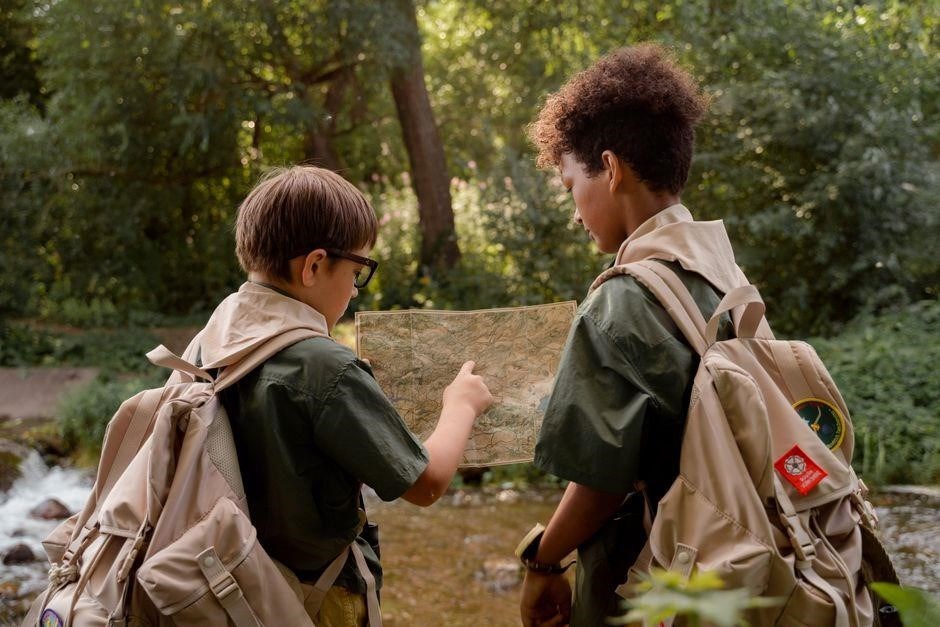
Members wear a green jacket with matching trousers or skirt‚ buttons in dark brown. A service star is affixed to the right sleeve‚ indicating completed level. The jacket features standard insignia on the left chest. Optional neckerchief may be worn for ceremonies.
Jacket and Trousers or Skirt
The core of a Pathfinder member’s attire is the green jacket paired with either matching trousers or a skirt. The jacket is a single‑button‚ front‑open design‚ finished with a dark brown button closure and a small‚ embroidered Pathfinder emblem on the left chest. The fabric is a durable‚ breathable cotton blend that offers comfort during outdoor activities while maintaining a polished appearance. The trousers are straight‑cut‚ with a mid‑rise waist and a narrow cuff at the ankle‚ allowing freedom of movement. For female members‚ a knee‑length skirt of the same green material is available; it features a discreet seam at the front and a matching waistband. Both trousers and skirt are equipped with reinforced stitching at stress points to withstand frequent use. The jacket’s cuffs are adjustable with a small‚ brass cuff button‚ enabling a snug fit that prevents wind and debris from entering. Optional accessories include a green neckerchief‚ worn during ceremonies‚ and a service star that is sewn onto the right sleeve to denote the member’s current level. All components are designed to be easy to clean‚ with recommended washing instructions that preserve color integrity and fabric strength. The uniform’s design balances tradition with practicality‚ ensuring that members can perform their duties confidently and safely.
The uniform’s fabric is engineered for durability‚ featuring a moisturewicking lining that keeps members dry during hikes‚ while the reinforced seams resist wear from folding and unfolding during quickly and fieldwork.

Uniform Components for Leaders
Leaders don the standard Pathfinder jacket‚ but distinguish themselves with the Master Guide neckerchief‚ a dark green scarf tied at the neck‚ and the Master Guide badge‚ a silver pin featuring the Pathfinder emblem. These insignia signify authority and guide members
Neckerchief and Master Guide Badge
The Master Guide neckerchief is a dark green‚ 10‑inch square of cloth that is folded into a triangle and tied in a simple knot at the neck. It is worn on the left side‚ with the point of the triangle resting against the collar. The neckerchief is a visible sign of leadership‚ reminding members of the Guide’s role in fostering growth and responsibility.
The Master Guide badge is a silver pin‚ 1.5 inches in diameter‚ featuring the Pathfinder emblem surrounded by a wreath of oak leaves. It is attached to the left lapel of the jacket or the left side of the uniform shirt. The badge is worn only by those who have completed the Master Guide training and who hold a leadership title. When worn‚ it signals authority‚ experience‚ and the commitment to uphold the principles of the organization.
Both items are part of the official uniform standard. The neckerchief must be clean‚ unwrinkled‚ and free of stains‚ while the badge should be polished to a bright shine. Leaders are expected to wear these insignia at all official meetings‚ ceremonies‚ and public events‚ ensuring that their presence is immediately recognizable to members and the community alike.
The Master Guide insignia also serves as a teaching tool during orientation sessions‚ where leaders demonstrate proper wearing techniques and explain the symbolism behind each element. This practice reinforces the organization’s values and ensures consistency across all units‚ promoting a unified identity that inspires confidence and pride among members.
During inspections‚ the badge’s attachment is verified‚ neckerchief integrity is checked to dignified a appearance;!!
Insignia and Service Stars
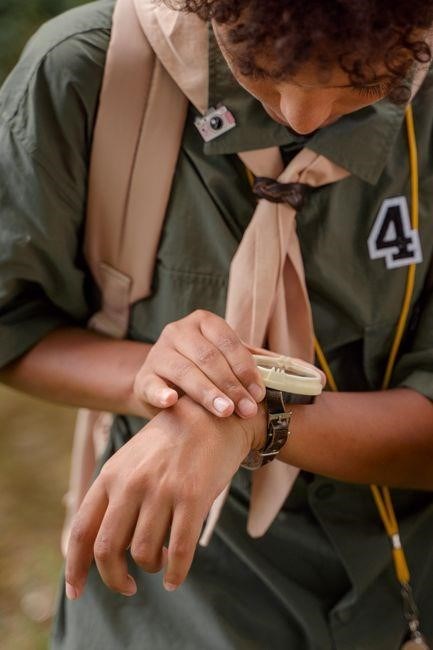
Insignia are the visual markers that identify a Pathfinder’s rank‚ role‚ and achievements. The most common insignia include the Pathfinder emblem‚ the Master Guide badge‚ and the service star. These items are worn on the left lapel of the jacket or the left side of the uniform shirt‚ ensuring they are visible during meetings‚ ceremonies‚ and public events.
The service star is a five‑point black star‚ 1.5 inches in diameter‚ with a gold outline that denotes the level completed. Only one service star may be worn at a time‚ and it is placed on the right side of the lapel. The star’s shape and color are consistent across all units‚ providing a standard that members can recognize instantly. When a Pathfinder advances to a new level‚ the existing star is removed and replaced with the new one‚ symbolizing progress and dedication.
Insignia placement follows strict guidelines: the emblem is centered on the left lapel‚ the Master Guide badge is positioned just above the emblem‚ and the service star sits on the right lapel. All insignia must be clean‚ polished‚ and free of damage. During uniform inspections‚ leaders verify that each insignia is correctly positioned and that the star accurately reflects the member’s current level. These practices reinforce the organization’s commitment to order‚ respect‚ and unity.
Each insignia is affixed with a standard adhesive that guarantees durability in weather conditions‚ ensuring uniform remains pristine during outdoor activities!
Rank and Title Badges
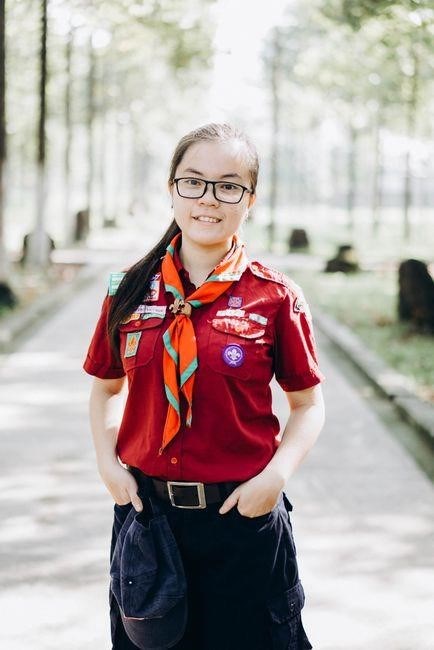
The Pathfinder organization uses a structured badge system to denote leadership roles and special titles. Each badge is a metal pin or embroidered patch that is affixed to the left side of the uniform jacket or shirt. The badges are designed with a consistent color scheme—typically gold or silver lettering on a dark background—to maintain visual harmony across all ranks.
Key badges include:
- Pathfinder Leader Badge – a gold star with a central emblem‚ worn by those who have completed the Leadership Course.
- Master Guide Badge – a silver insignia featuring a crossed compass and torch‚ awarded to seasoned guides who mentor new members.
- Special Title Badges – unique pins for roles such as “Investigator‚” “Event Coordinator‚” or “Community Service Champion‚” each reflecting the holder’s responsibilities.
Placement rules are strict: the Leader Badge sits directly above the Pathfinder emblem‚ while the Master Guide Badge is positioned just below it. Title badges are worn on the right side of the lapel‚ ensuring they do not clash with the service star. All badges must be kept clean‚ polished‚ and free of tarnish.
These badges serve not only as symbols of achievement but also as visual cues that foster respect and accountability within the group. Proper display of rank and title badges reinforces the organization’s commitment to structured leadership and community service. All badges are worn with pride
Special Uniform Variations (Events‚ Investigators‚ etc.)
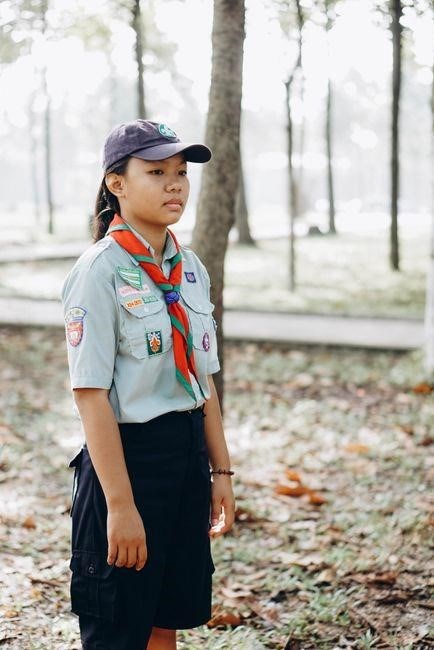
Special uniform variations are designed to distinguish members who participate in unique roles or attend special events. These variations maintain the core color scheme while incorporating distinctive insignia‚ color accents‚ or additional accessories that reflect the specific function or occasion. The following categories illustrate common variations:
- Event Participation – Members attending large gatherings such as jamborees or community fairs may wear a commemorative patch on the right sleeve. The patch typically features the event logo and the year‚ and it is worn only during the event period.
- Investigators – Those assigned to investigative duties receive a discreet badge on the left chest‚ embroidered in dark green. The badge includes a small magnifying glass icon and the word “Investigator.” It is worn at all times during investigative assignments.
- Honorary Titles – Individuals granted honorary titles (e.g.‚ “Lifetime Service”) receive a silver lapel pin with the title engraved. This pin is worn on the left lapel‚ below the Pathfinder emblem.
- Special Ceremonies – For ceremonies such as investitures‚ members may don a temporary sash that matches the organization’s color palette. The sash is worn over the left shoulder and secured at the right hip.
All variations must be approved by the local council and follow the official guidelines for placement‚ size‚ and material. When the special role concludes‚ the member must remove the variation and return the item to the council for archival or redistribution. These variations celebrate diverse contributions while preserving uniform cohesion.
These variations are not only symbolic but also functional‚ ensuring that members can quickly identify roles during large assemblies. The design process involves collaboration between council officers and members‚ ensuring that each variation remains true to the organization’s heritage while meeting modern safety standards.
When designing a new variation‚ the council reviews historical precedents‚ consults with senior members‚ and evaluates the practicality of the proposed insignia. The final design is then printed on durable fabric or metal‚ depending on the role’s requirements. All variations are catalogued in the council’s uniform registry‚ and members receive a brief orientation on proper wear and care to maintain consistency across the organization.
Compliance with these guidelines ensures that every member’s uniform reflects their dedication and role‚ reinforcing the Pathfinder identity across all activities.
Accessories and Optional Items
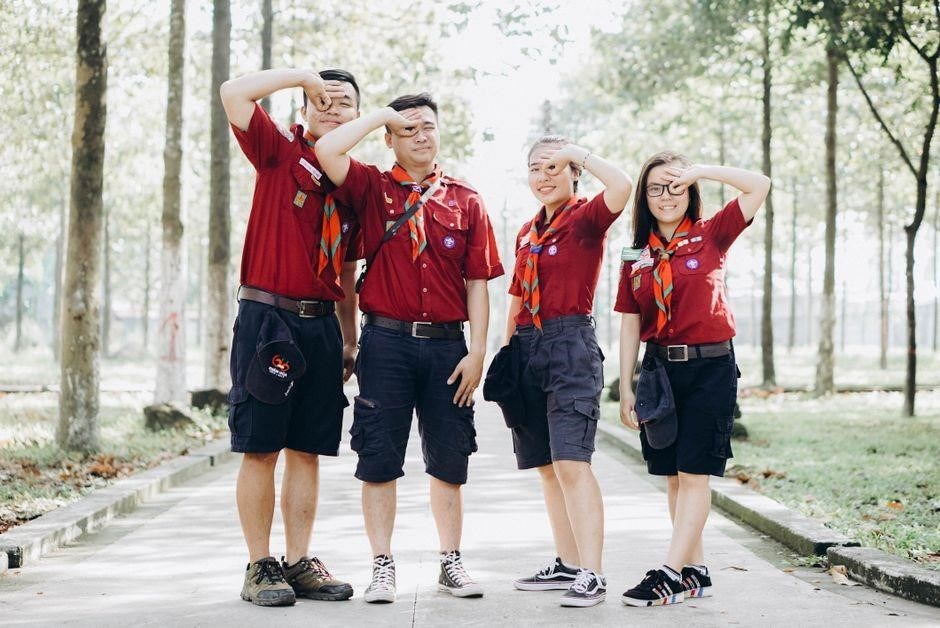
Pathfinder members may add a few practical accessories to their uniform. These items should match the core colors‚ be clean‚ and not distract from the organization’s purpose. Below is a concise list of optional gear suitable for training‚ fieldwork‚ or community events.
- Belts – A dark‑green leather belt with a simple buckle supports tools and keeps the uniform tidy.
- Gloves – Weather‑appropriate gloves (waterproof or insulated) are recommended for outdoor tasks.
- Headwear – A smooth dark‑green cap or wide‑brimmed hat can be worn during sunny outings.
- Footwear – Comfortable closed‑toe shoes or boots suitable for hiking or marching are preferred.
- Backpacks – Small dark‑green backpacks or waist pouches carry essential items like a first‑aid kit or water bottle.
Members should also consider the use of a small‚ dark‑green pouch for carrying a compass or a small first‑aid kit. This pouch should be sewn onto the belt or attached to the backpack. The pouch must be free of logos and kept clean to maintain the uniform’s neat appearance.
All accessories must be kept clean and in good repair. Members should store items in a dedicated pouch or locker to prevent damage. When attending a council meeting or event‚ review the dress code to ensure compliance with any temporary restrictions on accessories.
All items kept neat

Uniform Care and Maintenance
Proper care preserves the integrity of the Pathfinder uniform‚ ensuring each member presents a polished‚ respectful appearance. Follow these guidelines to keep jackets‚ trousers‚ and accessories in optimal condition.
- Washing – Hand wash in cold water with a mild detergent. Avoid bleach or fabric softeners‚ which can damage the color and texture.
- Drying – Air‑dry flat or hang on a padded hanger. Do not tumble dry; high heat can shrink or warp the fabric.
- Ironing – Use a low‑heat setting on a clean cloth. Iron inside‑out to protect the outer surface.
- Storage – Store in a cool‚ dry place on a padded hanger. Keep jackets and trousers separate to prevent creases.
- Repair – Promptly mend holes or frayed seams with a matching thread. Replace buttons or clasps that become loose.
- Inspection – Before each event‚ check for missing insignia‚ damaged buttons‚ or stained fabric. Replace or repair before wearing.
For field activities‚ use a waterproof jacket or add a rain cover. Always clean accessories—belts‚ gloves‚ and headwear—after use; Store them in a dedicated pouch to avoid stains. By adhering to these practices‚ members maintain a uniform that reflects the organization’s pride and professionalism.
Remember‚ a well‑kept uniform not only meets standards but boosts confidence teamwork and sense of belonging that defines Pathfinder’s community.
Regulatory References and Official Guidelines
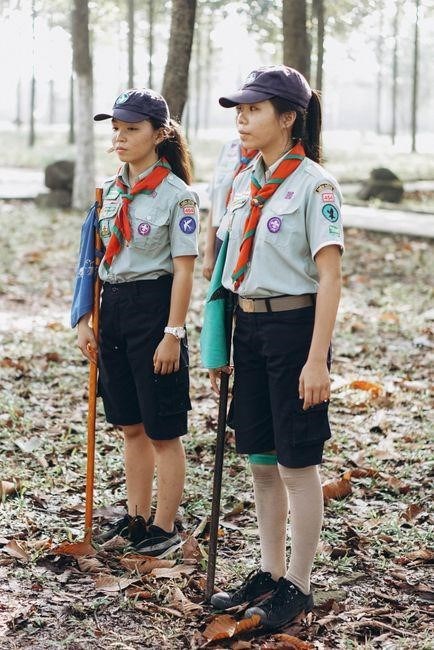
The Pathfinder National Association (NAD) publishes the definitive Uniform Standards document‚ currently in its 2016 v1.0 edition. This reference outlines every aspect of uniform construction‚ insignia placement‚ and color fidelity for both members and leaders. It specifies the approved fabric blends‚ stitching tolerances‚ and the exact dimensions for the five‑point black service star‚ which may be worn singly at any time. The document also details the hierarchy of rank and title badges‚ the required positioning of the Master Guide neckerchief‚ and the permissible variations for special event attire. Compliance is mandatory for all clubs‚ and local chapters must submit annual reports confirming adherence to these standards. For additional guidance‚ clubs may consult the NAD Handbook‚ which expands on the uniform care procedures‚ storage recommendations‚ and repair protocols. All regulations are codified in the NAD Uniform Standards 2016 v1.0 and are enforceable by the national governing body. Failure to comply can result in disciplinary action‚ including suspension of club status. Members are encouraged to review the latest edition regularly‚ as updates may occur to reflect new materials or safety considerations. The uniform standards serve not only as a visual guideline but also as a symbol of the organization’s commitment to quality‚ safety‚and unity across the nation These guidelines ensure safety and pride Pathfinder activities all