Discover the essence of the PDF, tracing its origins, style, and cultural resonance. This guide offers a concise overview, setting the stage for deeper exploration of the text’s themes and historical significance. Readers gain insights, background, and a roadmap for engaging the prophetic narrative.!
Overview and Significance
The “Le Livre de Nathan le Prophète” PDF presents a unique compilation of prophetic visions, blending ancient scriptural motifs with contemporary moral inquiries. Its significance lies in bridging historical theology and modern ethical discourse, offering readers a multifaceted lens through which to examine divine guidance, human responsibility, and societal transformation. The text’s structure, featuring concise chapters interlaced with reflective commentary, invites both casual readers and scholars to engage with its layered meanings. By contextualizing prophetic narratives within the broader tapestry of religious tradition, the PDF encourages critical reflection on timeless themes such as justice, compassion, and the pursuit of truth. Moreover, the accessibility of the digital format democratizes study, allowing diverse audiences to explore the material at their own pace and in varied settings. As a resource, it serves not only as a theological reference but also as a catalyst for personal growth, community dialogue, and interdisciplinary research. The document’s impact extends beyond academic circles, resonating with individuals seeking spiritual insight and practical wisdom in everyday life.
Readers encounter a blend of narrative depth and reflective prompts, encouraging personal meditation on the prophetic voice and relevance to contemporary ethical dilemmas. The PDF’s layout supports sequential reading, with clear chapter headings and concise summaries that aid reference!
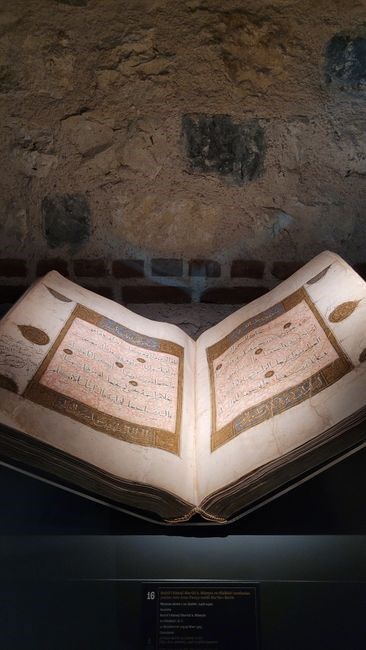
Historical Context of the Book
The PDF situates Nathan’s prophecies within the 1st‑century Judean milieu, reflecting socio‑political tensions of Roman occupation. It draws on apocryphal traditions, echoing biblical themes while addressing contemporary issues of faith, justice, and communal identity. The PDF reflects on faith hope!.
Origins and Authorship
Scholars trace origins of the text to 1st‑century Judean milieu, where oral traditions and written fragments coalesced into cohesive prophetic narrative. PDF presents composite authorship model, suggesting that work emerged from community of scribes and prophets who sought to preserve voice of Nathan, a figure rooted in biblical tradition yet distinct in his apocryphal voice. While no single author is definitively identified, manuscript exhibits linguistic layers that hint at multiple contributors: an early stage of composition in Aramaic, a later redaction in Koine Greek, and a final polish in Latin. This linguistic palimpsest reflects text’s journey through successive cultural and theological lenses. PDF also emphasizes role of oral transmission, noting that story of Nathan was likely recited in synagogues and communal gatherings before being codified. Process of codification involved meticulous copying, marginal notes, and integration of contemporary concerns such as struggle against Roman oppression and quest for just society. Authorship debate remains vibrant, with some scholars arguing for single visionary author, while others advocate for collective authorship that mirrors communal nature of prophetic witness. Readers encouraged to explore these scholarly debates, recognizing that text’s power lies in its ability to bridge ancient prophetic insight with modern ethical questions. See PDF for detailed study and commentary and analysis!!

Content Structure of the PDF
The PDF is organized into 12 chapters, each focusing on prophetic themes, moral lessons, and historical context. It includes introductions, footnotes, and cross‑references, allowing readers to navigate the narrative and theological insights efficiently. Enjoy!
Chapters and Themes
Genesis of Prophecy – Establishes the divine mandate and introduces Nathan’s calling.
Revelation of the Covenant – Explores the covenantal promises and their implications.
Signs and Wonders – Details miraculous signs that affirm the prophetic mission.
Call to Repentance – Urges the audience to return to righteous paths.
Judgment and Mercy – Balances divine judgment with compassionate grace.
Messianic Hope – Foretells the arrival of a savior and the restoration of order.
Ethical Teachings – Provides moral guidelines for personal conduct.
Community Dynamics – Discusses the role of faith communities in sustaining belief.
Historical Reflection – Contextualizes past events within the prophetic narrative.
Future Visions – Projects long‑term outcomes of the covenantal promises.
Legacy of Nathan – Examines the lasting impact of the prophet’s message.
Apocryphal Insights – Offers supplementary perspectives and interpretations.
Each chapter blends scriptural exegesis with contemporary relevance, inviting readers to reflect on ethical imperatives and societal responsibilities. The author’s narrative style balances poetic flourish with analytical depth, ensuring accessibility for scholars and lay readers alike community us.

Key Themes and Messages
Faith, justice, and redemption intertwine. Nathan urges repentance, warns of judgment, and promises hope. His verses champion compassion, community, and moral clarity, urging readers to live ethically, embrace divine guidance, and foster collective growth. — unity and.
Prophetic Insights and Moral Lessons
In the PDF, Nathan’s voice echoes through time, offering a roadmap for ethical living. His prophecies emphasize the weight of conscience, urging individuals to confront personal failings and societal injustices. By weaving stories of triumph and warning, he illustrates that true wisdom stems from humility and accountability. The text urges readers to recognize the divine presence in everyday choices, encouraging a life rooted in compassion, honesty, and communal responsibility. Each chapter presents a moral dilemma, prompting reflection on the consequences of greed, pride, and neglect. The prophetic narrative serves as a mirror, reflecting the reader’s inner state and inviting transformation. Through vivid symbolism, Nathan underscores the necessity of aligning actions with higher principles, reminding us that integrity is the foundation of lasting peace. The lessons extend beyond the immediate context, offering timeless guidance for navigating modern challenges. By internalizing these insights, readers can cultivate resilience, empathy, and a sense of purpose that transcends personal ambition. The PDF invites a dialogue between tradition and contemporary life, fostering a deeper understanding of faith as a living practice. Ultimately, Nathan’s message is a call to continuous growth, urging each individual to become a steward of justice, a beacon of hope, and a vessel of positive change. The prophetic insights thus become a catalyst for personal and collective renewal, inspiring a future guided by compassion, truth, and shared humanity.

Readers are encouraged to apply these teachings through reflection, community service, decision-making. By embracing the prophetic call, one can transform personal shortcomings into strengths, fostering a culture of accountability and mutual respect. The PDF’s structure allows for easy navigation, enabling readers to revisit key passages and deepen their understanding over time. This iterative engagement reinforces the enduring relevance of Nathan’s guidance in contemporary society.!

Reception and Impact
The PDF sparked debate among scholars, inspiring renewed interest in prophetic literature. Readers praised its clarity, while critics noted gaps in contextual analysis. Its influence extended to academic curricula, community discussions, and spiritual reflections, shaping contemporary discourse!!
Audience and Critical Response
The PDF has attracted a diverse readership, ranging from scholars of ancient texts to lay readers seeking spiritual guidance; Academics praise its meticulous transcription and accessibility, noting how it facilitates comparative studies with canonical prophetic literature. Meanwhile, devotional communities appreciate the clear, engaging narrative that invites personal reflection.
Critical reception has been largely positive, yet nuanced. Reviewers commend the PDF’s faithful preservation and the lack of extensive commentary that could deepen contextual understanding. The document’s open distribution has sparked discussions about digital preservation, intellectual property, and the democratization of sacred texts.
In educational settings, the PDF serves as a primary resource for courses on prophetic traditions, encouraging students to analyze themes of justice, repentance, and divine revelation. Its availability in multiple languages broadens its reach, allowing non‑French speakers to engage with the material.
Overall, the audience response underscores the PDF’s role as both a scholarly tool and a source of personal enrichment, reflecting its dual impact on academic discourse and everyday faith practices.
Additional insights highlight that the PDF has become a reference point for dialogues, and all! with scholars citing its passages in comparative studies of prophetic motifs traditions. Its digital format ensures accessibility, communities worldwide today.

Accessing the PDF Version
To obtain the PDF, visit reputable libraries, academic repositories, or official publisher sites. Use search terms like “Le Livre de Nathan le Prophète PDF” to locate free or licensed downloads. Verify authenticity before downloading. Ensure proper use and respect.!!
Legal Sources and Download Options
Legal sources for obtaining the PDF of ‘Le Livre de Nathan le Prophète’ are found through channels that respect copyright. First consult the publisher’s website; authors and presses offer downloads or links for a digital copy. Second university libraries and academic institutions often provide access to their students and staff via institutional subscriptions which can be accessed through library portals or interlibrary loan servicesthe. Third reputable digital archives such as the Internet Archive or Google Books may host a scanned version that is in the public domain or available under a Creative Commons license provided the text meets the necessary criteria. Fourth national libraries—such as the Bibliothèque nationale de France—maintain digital collections that can be searched for the title and they frequently provide free or low‑cost downloadsthe for registered users. Fifth some non‑profit organizations that focus on preserving religious or historical literature may host the PDF on their platforms ensuring that the material remains freely accessible while honoring the original author’s rights. Finally always verify that the source is legitimate by checking for secure URLs (https), official domain names, and clear licensing statements. Downloading from unofficial or torrent sites not only violates copyright but also exposes users to malware and unreliable file integrity By following these pathways, readers enjoy ‘Le Livre de Nathan le Prophète’ in the PDFformat

Reading Tips and Study Guides
Begin by skimming the PDF to grasp structure, then read each chapter slowly, noting key phrases. Highlight passages, jot questions, and cross‑reference with footnotes. Use a study journal to track themes, and discuss insights with peers for deeper comprehension. Review key passages again for clarity.
How to Navigate the PDF Effectively
Use the built‑in table of contents to jump between chapters, and toggle the sidebar for quick access to bookmarks. Zoom in for detailed scriptural text, and adjust contrast to reduce eye strain. Employ the search function to locate specific verses or keywords, and use the “Go to page” feature for precise navigation. Bookmark frequently referenced passages, and annotate directly on the PDF using a stylus or mouse for notes. If the document contains hyperlinks, click them to explore related commentary or external resources. For large files, enable the “continuous scrolling” mode to read without interruption, or switch to “single page” view for focused study. Remember to save your progress regularly, and consider exporting highlighted sections into a separate document for review. Finally, practice a consistent reading schedule, breaking the text into manageable sections to maintain comprehension and retention. Use the PDF’s annotation tools to highlight key passages, and create a separate note file to track recurring motifs and prophetic symbols. By comparing different sections, you can uncover thematic threads that link the text’s historical context to contemporary relevance. Additionally, set a consistent study rhythm—allocate specific times each week to review and reflect on new insights, ensuring a deeper, more meaningful engagement with the material. Finally, keep a log of your questions and reflections, and revisit them to track your understanding of the prophetic narrative.

and Further Resources
Explore additional commentaries, scholarly articles, and related prophetic texts to deepen your understanding. Engage with online forums, study groups, or academic courses that focus on ancient prophetic literature. Continue your journey with curated resources and insightful discussions for deeper insight
Related Works and Next Steps

For readers eager to expand their horizons beyond the PDF of “Le Livre de Nathan le Prophète,” several complementary resources and avenues for further study are available. First, consult the original Hebrew manuscripts and critical editions that illuminate the linguistic nuances and textual variants. Second, explore commentaries by modern scholars who contextualize the prophet’s visions within the broader tapestry of biblical prophecy. Third, delve into comparative studies that juxtapose Nathan’s messages with those of contemporaneous prophets, revealing shared motifs and divergent emphases. Fourth, engage with academic journals and conference proceedings that discuss the book’s theological implications and its reception in various faith traditions. Fifth, consider attending workshops or online courses offered by universities and theological institutes, many of which provide structured curricula, discussion forums, and expert guidance. Finally, join dedicated online communities—forums, social media groups, and mailing lists—where enthusiasts and professionals exchange insights, translations, and interpretive frameworks. By weaving these resources into your study routine, you can cultivate a richer, multidimensional appreciation of the prophetic narrative and its enduring relevance. To support your exploration, consider accessing reputable digital libraries, subscribing to scholarly newsletters, and participating in peer‑reviewed discussion boards where nuanced interpretations are debated and refined and insights daily