Article Plan: Printable Care Instruction Cards ౼ Free Resources
Discover readily available‚ free resources for crafting printable care cards‚ leveraging platforms like Freepik for high-quality vector assets and boosting your projects!
Care labels are often overlooked‚ yet they are absolutely crucial for maintaining the quality and longevity of clothing and textiles․ These small tags provide essential instructions on how to properly wash‚ dry‚ iron‚ and even professionally clean items‚ preventing damage and ensuring they look their best for years to come․
Ignoring these instructions can lead to shrinking‚ fading‚ stretching‚ or other irreversible issues‚ ultimately shortening the lifespan of your favorite garments․ For businesses‚ accurate and clear care labeling is vital for customer satisfaction and reducing returns due to improper care․
Printable care instruction cards offer a fantastic solution for both home sewers and small businesses․ They allow for customized labeling‚ especially useful for handmade items or when original tags are lost or damaged․ Providing these cards demonstrates a commitment to quality and helps customers understand how to best care for their purchases‚ fostering trust and positive brand perception․

Why Use Printable Care Cards?
Printable care cards present a versatile and cost-effective alternative to traditional sewn-in labels․ They are particularly beneficial for handmade items‚ vintage clothing lacking original tags‚ or for replacing damaged labels․ Creating your own allows for complete customization‚ ensuring clarity and including specific instructions tailored to unique fabrics or embellishments․
For small businesses‚ printable cards project a professional image and demonstrate attention to detail․ They reduce customer inquiries about care and minimize returns caused by improper washing or cleaning․

Home sewers appreciate the ability to easily create attractive and informative labels for gifts or personal use․ Utilizing free resources and templates makes the process accessible and affordable․ Furthermore‚ printable cards can be designed to complement the aesthetic of the garment‚ adding a personalized touch and enhancing the overall presentation․
Understanding Standard Laundry Symbols
Standard laundry symbols are internationally recognized pictograms communicating essential garment care instructions․ Familiarizing yourself with these symbols is crucial for accurately designing printable care cards․ These symbols cover five main categories: washing‚ bleaching‚ drying‚ ironing‚ and dry cleaning․
Each symbol features a tub for washing‚ a triangle for bleaching‚ a square for drying‚ an iron for ironing‚ and a circle for dry cleaning․ Variations within each symbol – like lines‚ dots‚ or crosses – modify the instruction’s intensity or prohibit the action altogether․
Accurate interpretation prevents damage to fabrics and ensures garment longevity․ Resources detailing these symbols are readily available online‚ enabling you to confidently translate care instructions into visually clear and concise printable cards for your customers or personal use․
Washing Symbols
Washing symbols‚ depicted by a tub‚ convey water temperature and wash cycle recommendations․ A tub with a number inside indicates the maximum water temperature in Celsius․ A single dot signifies a gentle cycle‚ two dots a medium cycle‚ and no dots suggest a normal‚ robust wash․
An underlined tub indicates a reduced spin cycle‚ protecting delicate fabrics․ A hand in the tub means ‘hand wash only’‚ while a crossed-out tub prohibits washing altogether․ Lines beneath the tub further refine the cycle – one line for synthetic‚ two for delicate‚ and none for cotton or linen․
When designing care cards‚ accurately representing these nuances is vital․ Clear washing symbol inclusion ensures consumers understand the appropriate washing method‚ preserving garment quality and preventing shrinkage or damage․
Bleaching Symbols
Bleaching symbols‚ represented by a triangle‚ dictate whether bleaching agents can be used on a garment․ A plain‚ unfilled triangle signifies that any bleaching is acceptable․ However‚ a triangle with two diagonal lines indicates that only non-chlorine bleach should be used‚ protecting dyes and delicate fibers․
A crossed-out triangle unequivocally prohibits bleaching altogether‚ preventing color loss or fabric weakening․ Understanding these distinctions is crucial for maintaining garment integrity․ Incorrect bleaching can lead to irreversible damage‚ discoloration‚ or structural compromise․
On your printable care cards‚ ensure these symbols are clearly displayed․ Accurate bleaching guidance empowers consumers to make informed decisions‚ extending the lifespan of their clothing and preserving its aesthetic appeal․
Drying Symbols
Drying symbols‚ depicted as squares‚ communicate appropriate drying methods․ A square with a circle inside indicates tumble drying is permitted․ Dots within the circle specify the heat level: one dot for low‚ two for medium‚ and three for high heat․ A crossed-out square means do not tumble dry․
A horizontal line within the square signifies line drying‚ while a curved line at the top indicates drying flat․ Multiple lines suggest drying on a clothesline in the shade․ Ignoring these symbols can result in shrinkage‚ fabric damage‚ or distortion of the garment’s shape․
For your printable care cards‚ clarity is key․ Include these symbols prominently‚ enabling consumers to choose the optimal drying method․ Proper drying preserves fabric quality and ensures garments maintain their intended fit and appearance․
Ironing Symbols
Ironing symbols‚ represented by an iron shape‚ dictate safe ironing temperatures․ An iron with dots inside indicates the heat level: one dot for low (synthetics)‚ two for medium (wool/silk)‚ and three for high (cotton/linen)․ A crossed-out iron means do not iron the garment․
Steam settings are also indicated․ An iron with lines emanating from the soleplate signifies steam ironing is allowed․ If lines are crossed out‚ avoid using steam․ Ironing without understanding these symbols can cause scorching‚ melting‚ or shine to fabrics․

When designing your printable care cards‚ ensure these symbols are easily recognizable․ Accurate ironing instructions protect garments and maintain their appearance․ Clear communication prevents accidental damage and extends the lifespan of clothing items․
Dry Cleaning Symbols
Dry cleaning symbols‚ depicted by a circle‚ indicate whether a garment can be professionally cleaned․ A filled circle means any solvent can be used․ An open circle signifies a mild solvent is required – avoid harsh chemicals․ A circle with a letter inside specifies the solvent; ‘P’ denotes perchloroethylene‚ ‘F’ indicates petroleum spirits․
Lines under the circle add further instruction․ One line means a limited test is needed‚ two lines suggest professional cleaning is advised‚ and a crossed-out circle prohibits dry cleaning altogether․ Ignoring these symbols can lead to color loss‚ fabric damage‚ or shrinkage․
For your printable care cards‚ accurately representing these symbols is crucial․ Proper dry cleaning guidance ensures garments are treated appropriately‚ preserving their quality and extending their wearability․ Clarity prevents costly mistakes!
Free Printable Care Label Templates ౼ Overview
Numerous online resources offer free printable care label templates‚ streamlining the creation process․ These templates typically come in standard sizes‚ designed to be easily attached to garments․ Many are available as downloadable Word or PDF files‚ allowing for simple customization with your brand details․
Template variety is significant‚ ranging from basic symbol-only layouts to more detailed cards including fabric content and washing instructions․ Some templates are pre-filled with common care symbols‚ while others provide blank spaces for you to add your own․
Utilizing these templates saves time and ensures consistency․ They provide a professional look and feel‚ even for small businesses or individual crafters․ Remember to always double-check the accuracy of the symbols before printing and attaching to your products․
Sources for Free Vector Care Symbols

Finding high-quality vector care symbols is crucial for professional-looking care cards․ Fortunately‚ several online platforms offer free resources․ Freepik stands out as a popular choice‚ boasting a vast library of downloadable clothing care label vectors‚ including AI-generated options․ These vectors are available in various formats‚ ensuring compatibility with different design software․
Beyond Freepik‚ explore open-source vector repositories․ These platforms often provide a curated collection of symbols‚ licensed for free use․ Searching for “laundry symbols vector” or “clothing care symbols SVG” will yield numerous results․
Always verify the license terms before using any downloaded vector․ Ensure the license allows for commercial use if you intend to use the symbols on products you sell․ Utilizing vector graphics ensures scalability without loss of quality․
Freepik and Similar Platforms
Freepik is a leading online repository for vector graphics‚ offering a substantial collection of free clothing care label vectors․ Users can download these assets to incorporate into their printable care cards‚ enhancing their professional appearance․ The platform’s search functionality allows for precise filtering‚ enabling you to quickly locate specific laundry or ironing symbols․
Beyond Freepik‚ consider exploring similar platforms like Vecteezy and Flaticon․ These sites also provide a range of free vector icons and graphics‚ including care symbols․ Many offer both free and premium options‚ with the free tier often sufficient for basic care card designs․
Remember to check the licensing terms associated with each download․ Freepik often requires attribution‚ while other platforms may have different usage restrictions․ Utilizing these resources streamlines the design process‚ saving time and effort․
Open Source Vector Repositories
For truly free and unrestricted access to care symbol vectors‚ explore open-source repositories․ The Noun Project‚ while offering a mix of free and paid icons‚ boasts a considerable selection of openly licensed laundry and care symbols․ These are often available under Creative Commons licenses‚ permitting modification and redistribution․
Another valuable resource is Openclipart‚ a community-driven platform where artists share vector graphics freely․ Searching for “laundry symbols” or “care labels” yields relevant results‚ though quality can vary․ Always verify the license before using any graphic to ensure compliance with open-source guidelines․
These repositories offer a sustainable and ethical alternative to commercial platforms‚ empowering designers to create printable care cards without licensing concerns․ Utilizing open-source assets fosters collaboration and innovation within the design community․
Software Options for Customization
Once you’ve sourced your care symbols‚ you’ll need software to arrange them onto printable cards․ Microsoft Word or Publisher are accessible options for basic layouts‚ offering text boxes and image insertion capabilities․ However‚ they may lack the precision needed for professional-looking designs․
Adobe Illustrator and Photoshop provide advanced control over vector graphics and image editing‚ ideal for creating visually appealing and detailed care cards․ While subscription-based‚ free trials are often available‚ allowing temporary access to these powerful tools․
Canva emerges as a user-friendly alternative‚ particularly for those without extensive design experience․ Its drag-and-drop interface and pre-designed templates simplify the customization process‚ making it easy to create professional-quality care cards quickly and efficiently․
Microsoft Word/Publisher
Microsoft Word and Publisher represent readily available options for designing printable care cards‚ particularly for users already familiar with the Microsoft Office suite․ These programs offer basic layout tools‚ allowing you to insert text boxes for garment care instructions and import image files containing the laundry symbols․
While functional‚ these programs have limitations․ Precise alignment of vector symbols can be challenging‚ and advanced graphic design features are absent․ Creating complex or highly customized designs may prove difficult․ However‚ for simple care cards with standard symbols and text‚ Word or Publisher are sufficient․
Utilizing tables within the document can aid in organizing the symbols and instructions․ Remember to adjust margins and page size to fit your desired card dimensions before printing․ These tools provide a cost-effective starting point for creating care labels․
Adobe Illustrator/Photoshop (Free Trials)
Adobe Illustrator and Photoshop offer professional-grade capabilities for designing intricate and visually appealing printable care cards․ While subscription-based‚ both programs typically offer free trial periods‚ providing access to their full feature sets for a limited time․ This allows users to create high-resolution designs with precise control over vector graphics and image manipulation․
Illustrator excels in vector-based design‚ ideal for scaling care symbols without loss of quality․ Photoshop‚ on the other hand‚ is better suited for incorporating raster images or creating textured effects․ Both programs support CMYK color mode‚ ensuring accurate color reproduction during printing․

The learning curve is steeper compared to simpler software‚ but the results can be significantly more polished․ Utilizing pre-made vector care symbol libraries streamlines the design process‚ maximizing efficiency during the trial period․
Canva ౼ A User-Friendly Option
Canva presents a remarkably accessible platform for designing printable care cards‚ even for those without prior graphic design experience․ Its drag-and-drop interface and extensive library of pre-designed templates simplify the creation process considerably․ While offering a paid subscription‚ Canva’s free tier provides ample resources for basic care card design․
Users can easily incorporate care symbols‚ text‚ and branding elements into their designs․ Canva offers a wide selection of fonts and colors‚ allowing for customization to match specific brand aesthetics․ The platform also supports downloading designs in various formats‚ including PDF for high-quality printing․
Its collaborative features are beneficial for teams‚ and the intuitive interface makes it a quick and efficient solution for generating professional-looking care instructions․
Designing Your Own Care Cards
Embarking on custom care card design allows for complete control over branding and information presented․ Begin by outlining essential care instructions for each garment type – washing temperature‚ drying methods‚ ironing suitability‚ and bleaching guidelines․ Prioritize clarity and conciseness; use universally understood laundry symbols alongside textual explanations․
Consider your brand identity when selecting colors‚ fonts‚ and overall layout․ A consistent aesthetic reinforces brand recognition․ Incorporate your logo subtly but visibly․ Ensure sufficient white space for readability and a clean‚ professional appearance․
Think about card size and shape; standard rectangular cards are practical‚ but unique shapes can add a premium touch․ Remember to test print a sample card to verify color accuracy and symbol clarity before mass production․
Printing Considerations for Durability
Ensuring longevity of your printable care cards requires careful attention to material and printer settings․ Standard paper quickly deteriorates with handling and potential moisture exposure․ Opt for cardstock – a heavier weight paper offering increased durability and a professional feel․ For garments frequently washed‚ consider waterproof paper to resist fading and damage․
Printer settings are crucial․ Select the highest quality print setting for sharp‚ clear symbols and text․ Choose a paper type setting that matches your chosen cardstock to optimize ink absorption and prevent smudging․ Test print on a single sheet to verify color accuracy and overall print quality before committing to a larger batch․
Explore options like laminating the cards for added protection against wear and tear‚ further extending their lifespan and maintaining readability․
Paper Stock Options (Cardstock‚ Waterproof Paper)
Selecting the right paper dramatically impacts the durability and professional appearance of your printable care cards․ Cardstock‚ available in various weights and finishes‚ is a popular choice․ Its thickness resists tearing and provides a premium feel compared to standard paper․ Weights range from 65lb to 110lb; heavier weights offer greater rigidity․
For garments prone to frequent washing or exposure to moisture‚ waterproof paper is an excellent investment․ This specialized paper features a coating that repels water‚ preventing ink from running and the card from becoming damaged․ Synthetic paper is another durable‚ waterproof alternative․
Consider the texture – smooth cardstock is ideal for detailed printing‚ while textured options add a unique aesthetic․ Experiment with different stocks to find the best balance between cost‚ durability‚ and visual appeal for your specific needs․
Printer Settings for Optimal Quality
Achieving professional-looking printable care cards hinges on optimizing your printer settings․ Select the highest quality print setting available on your printer – often labeled “Best” or “Photo․” This utilizes more ink but delivers sharper images and text․ Choose the correct paper type in your printer settings to match your chosen cardstock or waterproof paper; this ensures proper ink adhesion and prevents smudging․
Color calibration is crucial for accurate symbol reproduction․ Run a test print to verify colors before printing a large batch․ Increase the DPI (dots per inch) setting if possible‚ aiming for at least 300 DPI for crisp details․ Consider a borderless printing option if your printer supports it‚ maximizing the printable area on your cards․
Regular printer maintenance‚ including nozzle checks and cleaning‚ will also contribute to optimal print quality․
Attaching Care Cards to Garments
Securely attaching your printable care cards is vital for their longevity and usefulness․ Avoid direct sewing‚ as it can damage the card and potentially the garment․ Instead‚ utilize garment tags and loops already present on the clothing․ Fold the card neatly around existing tags‚ securing it with a small safety pin or a clear‚ removable adhesive dot․
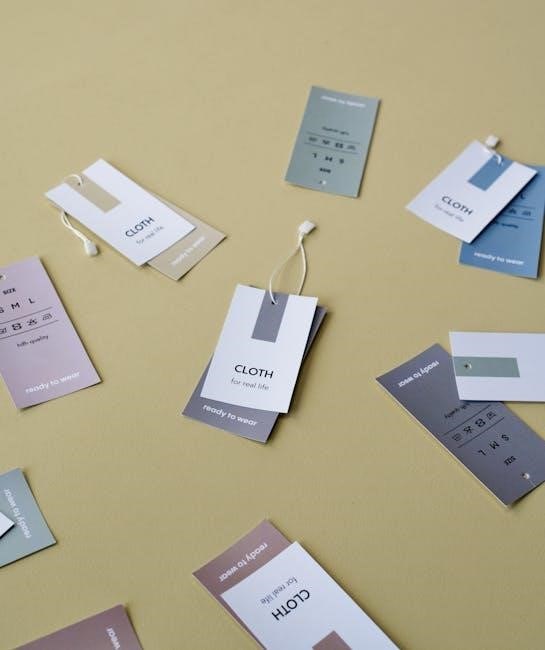
For garments lacking tags‚ consider using soft‚ fabric loops or ribbons to attach the card․ Ensure the attachment method doesn’t snag or irritate the wearer․ Position the card in a discreet location‚ such as an inner seam or waistband․ Waterproof paper is recommended if the card might be exposed to moisture during washing․
Always test the attachment method on a scrap piece of fabric first to ensure it doesn’t cause damage․
Legal Considerations & Disclaimers
While utilizing free printable care cards is convenient‚ understand the associated legal aspects․ These templates are generally for personal or small-business use‚ and redistribution without permission may infringe on copyright․ Always check the licensing terms of any vector symbols or templates downloaded from platforms like Freepik․
Consult legal counsel for specific advice regarding commercial use and liability․