Types of Men’s Jewelry
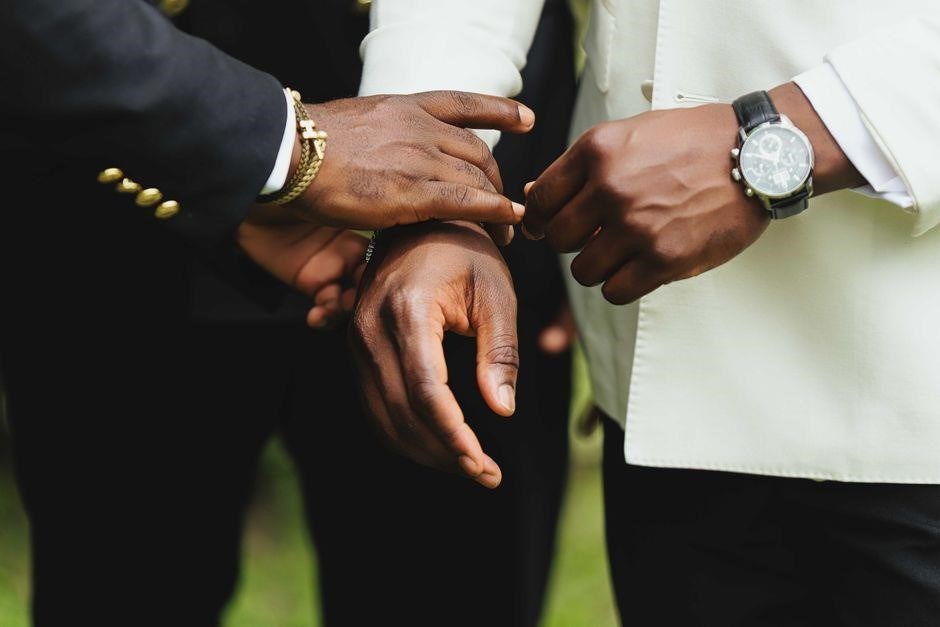
Men’s jewelry ranges from minimalist chains to bold cufflinks, each adding personality․ Classic leather‑wrapped necklaces pair with business attire, while stainless‑steel bracelets suit casual weekends․ Mix textures for depth, and choose pieces that reflect your style and confidence․Add subtle gold․ OK
Necklaces and Chains
Choosing the right chain length and width is essential for a balanced look․ For a subtle statement, a 16‑18 inch chain with a 1‑1․5mm width sits neatly at the collarbone, ideal for both office and evening wear․ A 20‑22 inch chain offers a more pronounced presence, perfect for layering with a pendant or a simple leather strap․ Material matters: stainless steel delivers durability and a modern sheen, while gold or rose gold offers warmth and luxury․ Tungsten and titanium chains provide a sleek, matte finish that resists scratches, making them suitable for active lifestyles․ When selecting a pendant, consider size and symbolism—classic symbols like anchors or geometric shapes complement a minimalist aesthetic, whereas intricate designs can add a touch of personality․ Layering is a trend that allows multiple chains of varying lengths to create depth; start with a base chain, then add a shorter one with a subtle charm․ For formal occasions, a single, polished chain in gold or silver keeps the focus on the wearer’s confidence rather than accessories․ Always ensure the clasp is secure; a hidden spring‑ring or magnetic clasp offers both safety and a clean look․ Finally, keep in mind that the chain’s thickness should match the wearer’s physique—thicker chains suit broader shoulders, while slimmer chains flatter narrower frames․ Proper maintenance, such as regular polishing and storage in a dry pouch, preserves shine and extends the chain’s lifespan․
When styling, coordinate the chain’s finish with other accessories: a silver chain pairs well with a silver cufflink, whereas a gold chain complements a gold watch․ For a rugged vibe, pair a thick chain with a leather strap or a canvas watch․ In contrast, a delicate chain can be worn under a blazer to add a subtle edge without overpowering the outfit․ Seasonal trends also influence choices; lighter metals like silver are favored in spring and summer, while richer gold tones dominate fall and winter wardrobes․ Remember, the key to a polished look is balance—avoid overcrowding the neckline with too many pieces, and always let the chain’s natural elegance shine through․
In practice, test the chain by wearing it with your regular shirt to see how it sits․ If it feels too tight, opt for a slightly longer length; if it drifts, a thicker chain may anchor it better․ This simple trial ensures comfort and style harmony, making necklaces a addition to any gentleman’s accessory repertoire․
Bracelets and Cufflinks
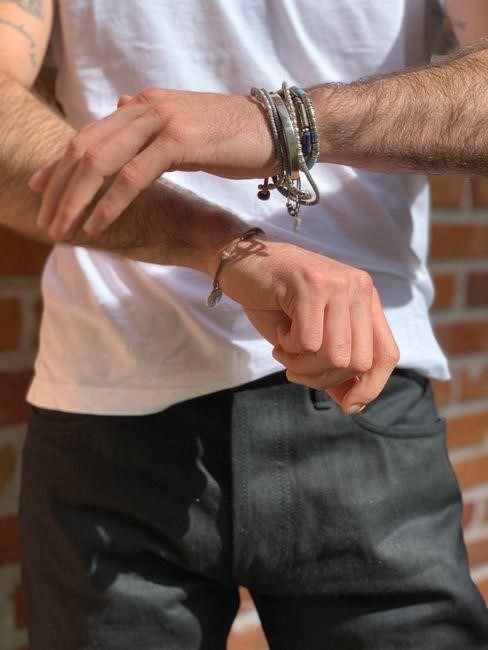
Bracelets and cufflinks are subtle yet impactful accessories that can elevate a man’s ensemble․ For bracelets, the choice between leather, metal, or woven styles depends on the occasion․ Leather straps offer a rugged, casual vibe, while polished metal links—such as stainless steel or gold—add a refined touch․ Woven nylon or braided cords provide a lightweight alternative suitable for travel or outdoor activities․ When selecting a metal bracelet, consider width: a 1‑1․5 mm link is versatile for both casual and semi‑formal settings, whereas a 2‑3 mm chain offers a bolder statement for evening wear․ The clasp type—spring‑ring, magnetic, or lobster—should balance security with ease of use․ For cufflinks, the classic button‑back design remains a staple for business attire, but modern variations like magnetic or toggle cufflinks offer convenience․ Material choices mirror bracelet options: sterling silver, 14‑karat gold, and titanium are common, each bringing distinct durability and aesthetic․ A polished finish is ideal for formal events, while a brushed or matte surface suits everyday wear․ Personalization enhances meaning: engraved initials or a small emblem can transform a plain cufflink into a conversation starter․ When pairing cufflinks with a watch, match the metal finish to maintain visual cohesion․ For a layered look, wear a subtle bracelet on the opposite wrist to the cufflinks, ensuring the bracelet’s width complements the cufflink’s profile․ Proper care—cleaning with a soft cloth and storing in a padded case—prevents tarnish and keeps the accessories in pristine condition․
Pairing a subtle chain bracelet with a sleek cufflink can finish a polished look․
Choose metals that match your watch for a cohesive style․
Keep bracelets light to avoid bulk․
OK
Materials & Finishes
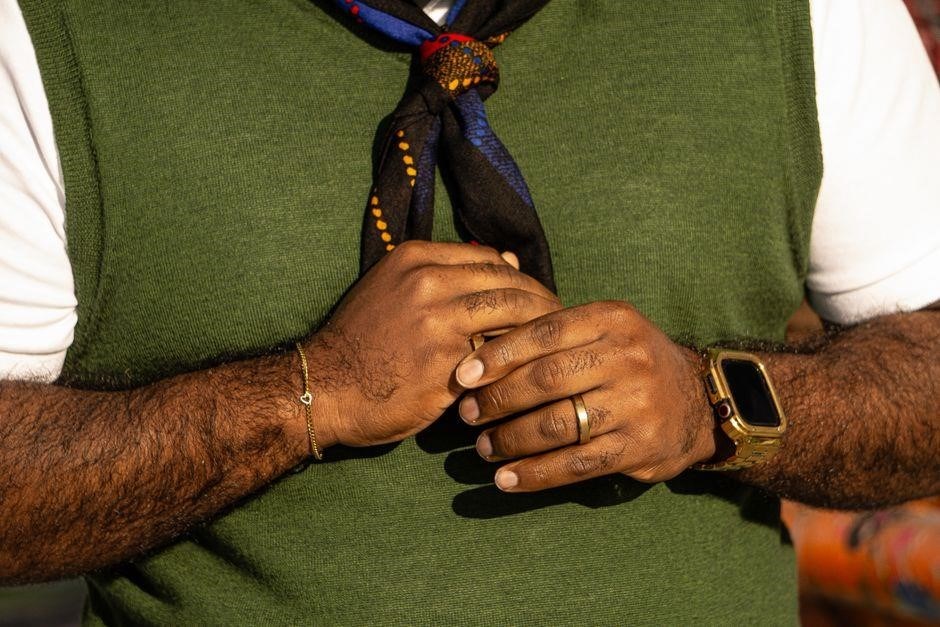
Gold, silver, and tungsten offer distinct durability and style․ Gold’s warm tone suits formal wear; silver’s cool sheen works for everyday․ Tungsten resists scratches, ideal for active lifestyles․ Finish choices—polished, brushed, or matte—affect glare and maintenance․!
Gold, Silver, and Tungsten
Gold, silver, and tungsten each bring unique qualities to men’s jewelry․ Gold—available in 14‑k, 18‑k, and 24‑k—offers a timeless, warm aesthetic that pairs well with both formal and casual ensembles․ Its softness requires careful handling, but finishes such as brushed or hammered add texture and reduce fingerprints․ Silver, particularly sterling silver (92;5% silver), provides a bright, reflective surface that is versatile and budget‑friendly․ However, it tarnishes over time, so regular polishing keeps its luster․ Tungsten carbide, a modern alloy, boasts exceptional hardness and scratch resistance, making it ideal for everyday wear․ Its dense, dark finish gives a contemporary edge, and it is hypoallergenic, which is beneficial for sensitive skin․ When selecting a metal, consider durability, maintenance, and how the color complements your skin tone and wardrobe․ Each material can be finished in polished, matte, or brushed styles, allowing personalization while maintaining the inherent properties of the metal․ By understanding these distinctions, you can choose pieces that not only look sharp but also endure the demands of daily life․
For gold, 14‑k contains 58․3% pure gold, while 18‑k has 75% purity, affecting weight and price․ Silver’s 99․9% purity is often used in fine jewelry, but most consumer pieces use 92․5% to balance strength․ Tungsten’s composition of tungsten carbide with a small percentage of cobalt gives it a high Mohs hardness of 9, surpassing steel․ Cleaning each metal requires specific solutions: a mild soap for gold, a silver polish for tarnish, and a microfiber cloth for tungsten to avoid scratches․ Storage in a dry, lined box prevents oxidation and keeps pieces pristine․ When selecting a piece, also consider the clasp type—lobster, spring‑ring, or magnetic—each suited to the metal’s weight and wear conditions․
Rose Gold and Platinum Alternatives
Rose gold, a blend of gold and copper, offers a warm, romantic hue that contrasts strikingly with traditional yellow or white gold․ Its 18‑k and 14‑k variants provide a subtle pink tint, making it a popular choice for modern men seeking a touch of sophistication without the boldness of silver․ Rose gold’s corrosion resistance is comparable to that of yellow gold, but its copper content gives it a slightly heavier feel, which can enhance the perceived quality of a chain or cufflink․ When paired with a matte or brushed finish, the color deepens, adding depth to a minimalist design․ Its warm undertone also complements earth tones, making it a versatile choice for both daytime and evening wear․ It pairs welltoo․
Platinum alternatives, such as palladium and white gold, have risen in popularity due to their hypoallergenic nature and lower cost․ Palladium, a member of the platinum family, offers a naturally white sheen that does not require rhodium plating, reducing maintenance․ White gold, alloyed with nickel or palladium, achieves a bright white appearance but may still cause allergic reactions in sensitive skin․ A rhodium plating layer can be applied to both to enhance brightness and durability, though it will eventually wear off, requiring re‑plating․ For those seeking the prestige of platinum without the high price, these alternatives provide a durable, lightweight option that maintains a luxurious look over time․ Choosing a rhodium‑plated finish can further extend the metal’s lifespan, especially for those who prefer a pristine shine․
Styling Tips & Occasions
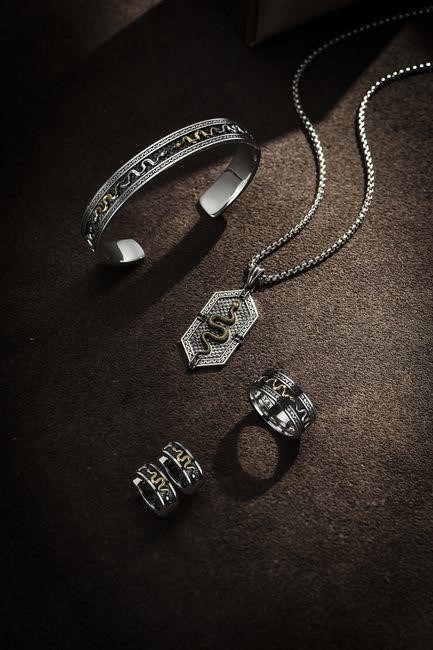
Pair a subtle chain with a crisp shirt for business, or layer a rugged leather bracelet over a hoodie for weekend flair․ Keep metal tones consistent to avoid clash, and match the size of your piece to your frame․ For formal events, a single polished cufflink speaks volumes․
Casual vs․ Formal Wear Pairings
When choosing jewelry for everyday wear, aim for understated elegance․ A slim, stainless‑steel chain or a leather‑wrapped bracelet complements jeans, chinos, or a casual blazer․ Keep the metal tone muted and avoid large, flashy stones that can feel out of place․ For a relaxed weekend look, a simple titanium cuff or a subtle engraved pendant adds personality without overpowering the outfit․
In contrast, formal occasions call for refined, polished pieces․ A classic gold or silver cufflink, a sleek watch with a leather or metal strap, or a discreet signet ring can elevate a tuxedo or business suit․ The key is to match the metal finish to the shirt cuff or tie color, ensuring a cohesive, sophisticated appearance․ Avoid overly chunky chains or bright gemstones that clash with the formality of the setting․
Those who want a touch of edge can pair a matte black titanium chain or a brushed nickel cuff with a tailored suit, adding a modern feel while staying professional․ For formal events, a subtle lapel pin or a slim engraved bracelet that complements the tie’s pattern works well․ Keep the look balanced—limit accessories to two or three pieces so each item enhances rather than competes with the outfit․ This keeps your jewelry in harmony with your outfitachieving balancedstylish look every now․

Layering and Mixing Metals
Layering adds depth to a look․ Start with a thin base chain—14‑18 mm—then add a slightly thicker one, finishing with a pendant or cuff․ Keep chain lengths between 20–30 inches so they sit comfortably․ When mixing metals, choose a dominant tone and let the others accent․ For example, a silver chain with a gold cuff looks intentional if the gold is warm․ Avoid clashing cold and warm tones unless you’re aiming for a bold, avant‑garde statement․ Stick to two or three metals to keep the look cohesive․ Use a watch with a metal band that matches one chain, and pair it with a leather strap for a casual vibe․ For formal settings, a single gold cufflink paired with a silver watch strap creates a subtle contrast that feels polished․ When layering bracelets, alternate between smooth and textured surfaces—smooth titanium, matte brass, and polished silver․ This creates visual interest without overwhelming the wrist․ Remember to balance the weight; heavier pieces should be closer to the body, lighter ones higher up․ Finally, keep the overall color palette muted; a monochrome approach with silver, white gold, and rose gold works well for both day and night․ By layering thoughtfully and mixing metals strategically, you can elevate any outfit while maintaining a refined aesthetic․ Experimenting with chain thickness also helps create visual hierarchy․ A 1‑mm chain over a 3‑mm chain offers a subtle gradation, while a chunky 5‑mm chain over a delicate 1‑mm chain delivers a striking contrast․ The choice of clasp—hidden magnetic versus visible lobster—can further refine the overall look, keeping focus on the metalwork rather than the fastening․ Such details elevate everyday accessories into statements of personal style and showcase confidence for modern men and effortless style!!․

Maintenance & Care
Clean daily with mild soap, dry immediately, store in soft pouch, avoid chemicals, inspect for loose stones, polish with microfiber, schedule professional checkups yearly to prevent tarnish and ensure longevity․ Store pieces in a dry, padded case to avoid scratches․ Keep clean․ OK
Cleaning Techniques for Different Metals
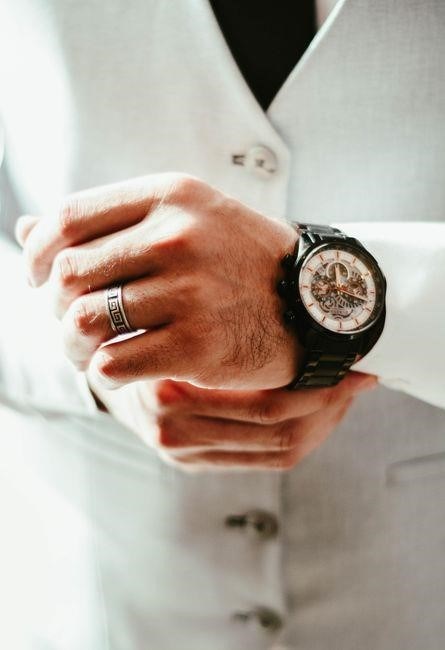
Gold pieces shine best when brushed with a soft, non‑abrasive cloth after gentle cleaning with warm, soapy water․ Rinse thoroughly and dry with a lint‑free towel․ Silver tarnish can be removed with a silver polish paste or a homemade mixture of baking soda and water; apply, rub lightly, rinse, and polish to a mirror finish; Tungsten’s hardness means it rarely scratches, but a microfiber cloth can restore its luster after exposure to sweat or oils․ Platinum, being dense, resists tarnish; however, a mild detergent and a soft brush will keep it gleaming․ Rose‑gold, a blend of gold and copper, benefits from a gentle wipe with a damp cloth and a quick dry; avoid harsh chemicals that can dull its warm hue․ For all metals, avoid prolonged contact with chlorine, saltwater, or acidic substances, and store items in a dry, padded compartment to prevent oxidation and scratches․ Regular inspection for loose settings or worn clasps ensures longevity and safety․
When cleaning, always use a soft brush to avoid scratching the metal surface․ For jewelry with gemstones, rinse in lukewarm water and gently dry with a microfiber cloth to prevent water spots․ Store each piece separately to avoid scratching․ If a piece shows signs of corrosion, consult a professional jeweler for safe restoration․
Clean jewelry every few weeks to maintain shine․ Use a soft brush and mild soap, avoiding abrasive pads․ Store in a dedicated jewelry box with separate compartments or soft‑lined pouches to prevent contact between pieces․ Keep away from humidity and extreme temperatures to avoid tarnishing and warping․ Remember to check the clasp or setting after each use to ensure it remains secure․ Avoid exposing jewelry to bleach or perfume, which can degrade metal and stones;
Storage Solutions to Avoid Tarnishing
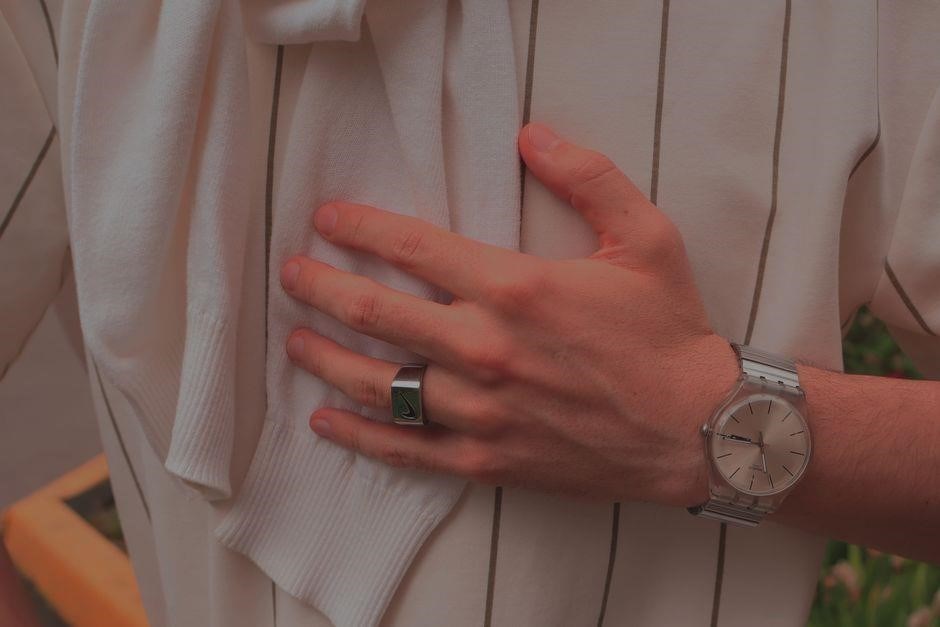
Proper storage is essential for preserving the luster of men’s jewelry․ Begin by selecting a dedicated jewelry box with individual compartments or soft‑lined pockets to keep pieces separated and prevent scratching․ For metals prone to tarnish—such as silver, rose‑gold, and platinum—use acid‑resistant cloths or silica gel packets to absorb moisture and reduce oxidation․ Store items in a cool, dry place away from direct sunlight, which can fade finishes and weaken clasps․ When traveling, place jewelry in a padded travel case or a small pouch with a moisture‑absorbing insert to protect against humidity spikes․ Avoid leaving pieces in plastic bags for extended periods, as trapped moisture accelerates tarnish; instead, opt for breathable cotton or linen pouches․ For long‑term storage, consider vacuum‑sealed bags with desiccants, but check that the bag material does not react with the metal․ Periodically inspect each item for loose settings or worn clasps, and clean as needed before re‑storing․ By combining moisture control, protective compartments, and regular maintenance, you can keep your collection bright and tarnish‑free for years․ Consider using a soft‑lined pouch for each piece to reduce friction and prevent scratches․ For high‑value items, a lockable case with built‑in humidity control can keep metals stable․ Some cases even include a UV light to inhibit bacterial growth․ Test any cleaning solution on a small area first, as alloys react differently․ Schedule a professional appraisal every few years to ensure settings stay secure and corrosion is addressed․ These habits preserve both appearance and structural integrity for years․
Buying Guide & Budgeting
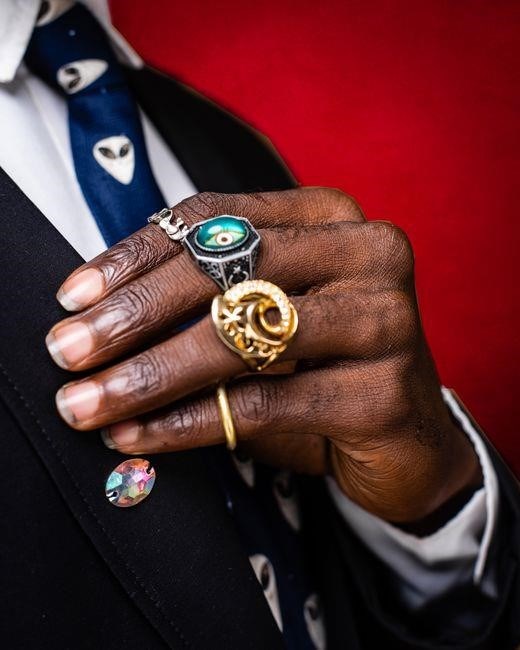
Start by defining a clear budget, then prioritize essential pieces like a classic watch or a versatile chain․ Research reputable jewelers, compare metal purity, and read reviews․ Opt for timeless designs that suit both formal and casual settings, ensuring long‑term value and style versatility․ for confidence now
Price Ranges for Popular Pieces
When shopping for men’s jewelry, it’s essential to understand typical price brackets for key items․ A basic stainless‑steel chain or cufflink set usually starts around $30–$60, offering durability without breaking the bank․ Mid‑tier pieces—such as a solid gold or rose‑gold chain—typically range from $150 to $300, balancing quality and affordability․ Luxury items, including platinum‑alloy cufflinks, can exceed $500 and often reach $1,200 or more for designer or custom‑crafted pieces․ Watches, a staple of men’s accessories, span a wide spectrum: entry‑level quartz models begin near $80, mid‑range mechanical watches sit between $400 and $800, while high‑end automatic or chronograph models can cost $2,000 to $5,000․ Rings, whether simple signet or gemstone‑adorned, vary from $50 for a sterling silver band to $1,000+ for a diamond‑set or platinum piece․ For those on a tighter budget, consider second‑hand or vintage options, which can offer high‑quality craftsmanship at a fraction of the new‑item price․ Always verify the metal purity, warranty, and return policy before committing, and keep an eye on seasonal sales or clearance events to maximize value․
Bracelets, such as leather‑wrapped or metal cuffs, range from $40 to $250․ Signet rings can start at $70, while engraved or gemstone‑set versions reach $500+․ Cufflinks in sterling silver cost $25–$80, but designer or personalized pairs can climb to $300+․ Statement necklaces typically fall between $200 and $600 for polished or mixed‑metal designs․ Comparing weight, finish, and brand reputation helps ensure you pay a fair price for lasting style․ Shop wisely today and enjoy
Where to Shop: Online vs․ Brick‑and‑Mortar
Choosing the right retail channel can shape both your budget and the authenticity of a men’s jewelry purchase․ Online platforms, from large marketplaces to niche boutiques, offer a vast catalog, user reviews, and often competitive pricing․ They allow you to compare specifications side‑by‑side, read detailed material descriptions, and access virtual try‑on tools that help visualize how a chain or cufflink will look with your wardrobe․ However, the lack of physical inspection means you must rely on return policies and seller ratings to mitigate risk․ Brick‑and‑mortar stores provide an immediate tactile experience: you can feel the weight of a gold chain, test the clasp’s sturdiness, and receive personalized styling advice from a trained associate․ In‑store purchases also eliminate shipping delays and give you instant ownership, which is ideal for last‑minute gifts or urgent needs․ For collectors, specialty jewelers often carry limited‑edition pieces that are not yet available online, and the in‑person consultation can uncover hidden gems․ A hybrid approach—research online for price and availability, then visit a local shop for a final inspection—often yields the best balance of convenience, cost, and confidence․ Always verify authenticity certificates, warranty terms, and after‑sales support regardless of the channel, and keep receipts for future resale or appraisal purposes․ By weighing these factors, you can navigate the market with clarity and secure a piece that truly reflects your style and values․ Online retailers often feature secure checkout and easy returns, while local jewelers provide fittings and the chance to customize settings․!